Have you ever sat down to edit a video and looked up two hours later, completely unaware of where the time went? The timeline felt intuitive. Every cut made sense. The work just moved. That’s not luck, that’s something called the flow state. And once you understand the science behind it, you can start engineering it on purpose.
What Is the Flow State?
Psychologist Mihaly Csikszentmihalyi first defined flow state in his landmark research as a mental condition of complete absorption in a challenging, meaningful task. A mindset where focus is effortless, time distorts, and performance peaks. He described it as the optimal experience: the feeling of being fully alive in what you’re doing.
For video editors, this isn’t just a nice-to-have. It’s the difference between grinding through a rough cut and producing your best work.
Flow isn’t a personality trait or something reserved for naturally gifted creatives. It’s a neurological state that naturally occurs and is accessible to anyone who sets up the right conditions.
The 3 Conditions for Flow
Csikszentmihalyi’s research identified a specific recipe for triggering flow. All three elements need to be present:
1. A Clearly Defined Goal
Your brain needs to know what it’s working toward. “Edit the wedding video” is too vague. “Finish the ceremony sequence through the first kiss” gives your mind a target to lock onto. Clarity removes the cognitive friction that keeps you from getting started as well as the ability to stay in it.
2. The Task Must Be Meaningful to You
Flow doesn’t happen with work you don’t care about. This is why editing a passion project hits differently than punching through a low-stakes deliverable. Before you sit down to edit, reconnect with why the project matters. It’s all about the story you’re telling, the person you’re making it for, and the craft you’re building.
3. The Challenge Meets the Edge of Your Abilities
This is the most underrated piece. Flow lives in the sweet spot between boredom and anxiety. If a task is too easy, your mind starts to wander. Too hard, and stress can shut the flow down entirely. The best editing sessions are the ones where you’re not only problem-solving but not breaking as well.
Applying Flow to Your Video Editing Workflow
Knowing the theory is one thing. Here’s how to actually use it at your desk:
Before you open your project: Spend 2 minutes writing down your goal for the session. It could be one specific sequence, or maybe a problem to solve. IT SHOULD NOT BE THE WHOLE PROJECT.
Eliminate the friction points: Notifications, a cluttered timeline, an unorganized media bin….these are flow killers. A clean workspace (both digital and physical) removes the potential interruptions that pull you out of deep focus before it even starts.
Use the 5-minute rule: Don’t tell yourself to edit for two hours. Tell yourself to work for five minutes. Flow cannot be forced, but it can be invited. Starting is the hardest part. Once you’re in motion, momentum builds naturally.
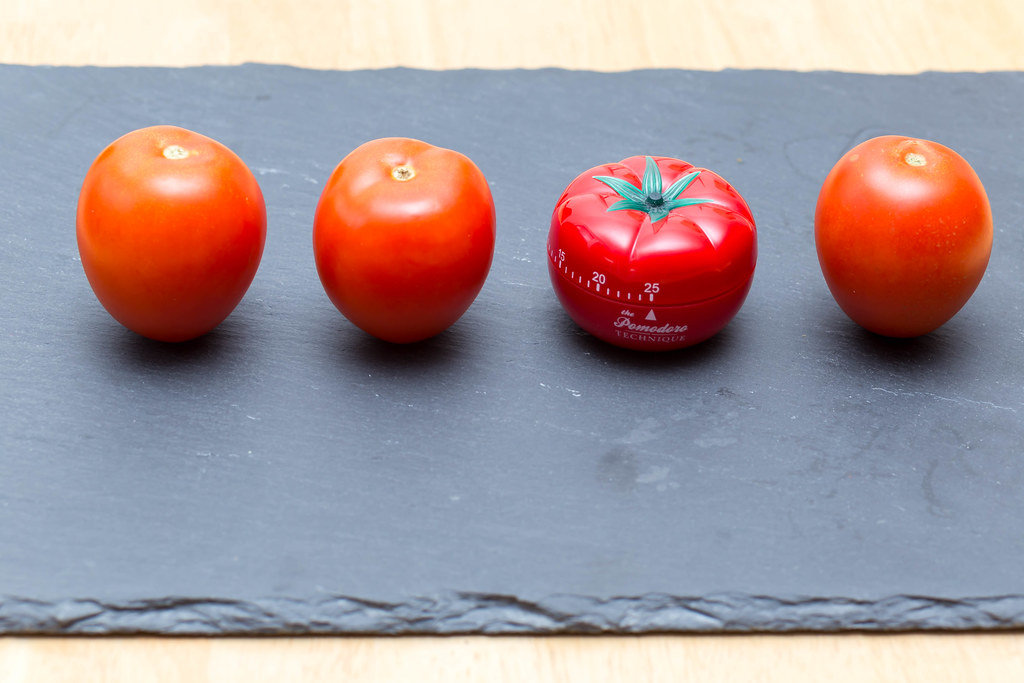
Try the Pomodoro Technique: Work in focused 25-minute intervals with 5-minute breaks. This keeps mental energy high across a longer session and prevents the diminishing returns that come with marathon editing without rest. It also works beautifully alongside Cal Newport’s concept of Deep Work which uses structured intervals to train your brain to enter focus states on demand.
Match your music to your mental state: Many editors swear by instrumental or ambient music for deep work. Sound shapes focus. Brain.fm and lo-fi playlists are popular tools for editors who want audio that aids concentration without demanding attention. (One of my favorites is lo-fi girl on YouTube)
The Payoff
Flow state isn’t just about feeling good while you work, it measurably improves output quality. When you’re fully absorbed, your decision-making is faster, your creative instincts are sharper, and the edit begins to feel less like labor and more like conversation with the footage.
The editors who do their best work consistently aren’t grinding harder, they’re protecting the conditions that let them go deep.
So before your next session, ask yourself three questions: Is my goal clear? Does this work mean something to me? Am I pushing myself just enough?
If you can answer yes to all three, you’re already at the door.
What helps you enter your flow state? Drop it in the comments — I’d love to know what works for you.
 Grow with Gao
Leave a comment