
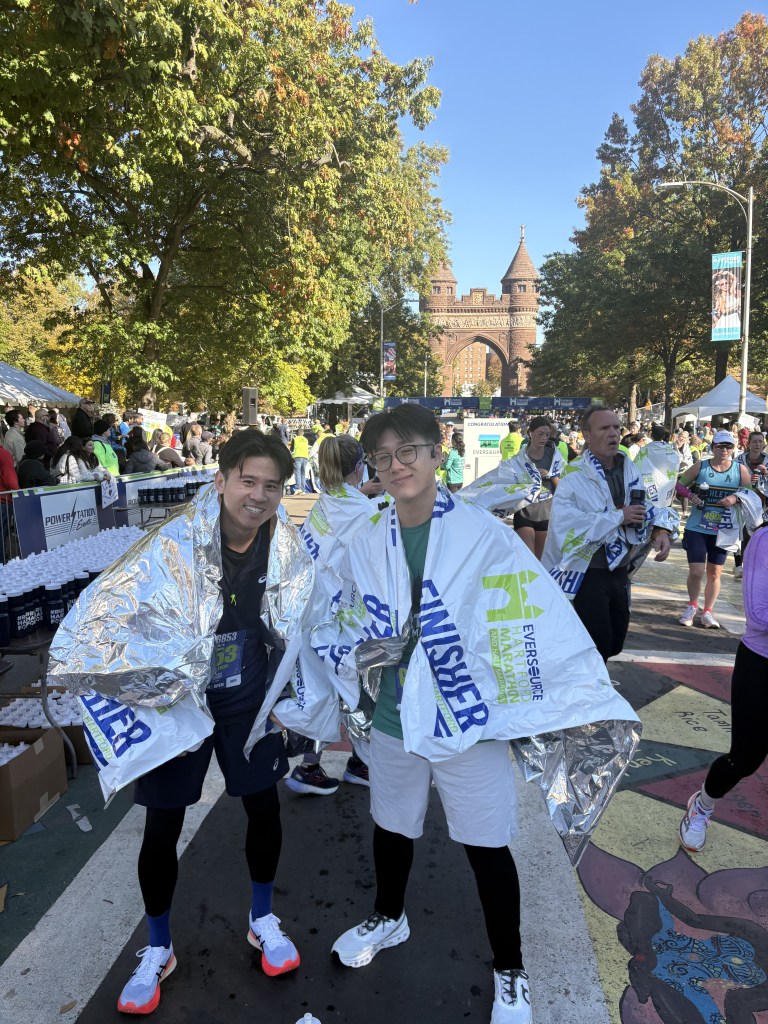
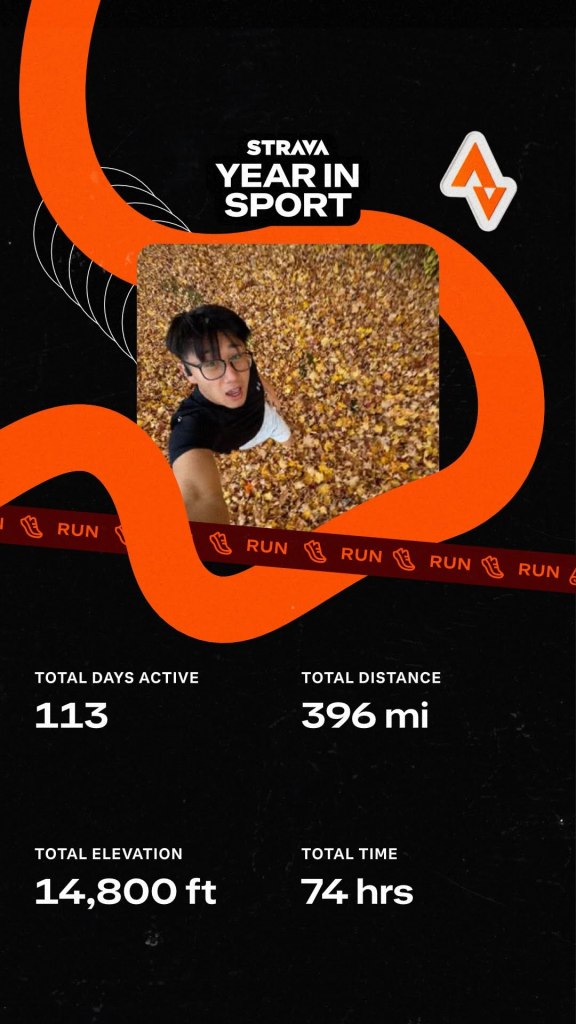

When I started running last year, I wasn’t sure if I would stick with it. Throughout my whole life, I had told myself that running wasn’t for me and that I was not good at it. That all changed when I began running with Strava.
Strava, a free to use app with a mixture of social media and fitness tracking technology has recently become one of the top performing exercise apps to date with over 120 million registered users. Many users find it useful with its gps-tracking features when specifically going on runs, hikes, swims, or cycles as well as logging weekly exercise activities. The platform uniquely shares your activities with friends which can help motivate others to get up and exercise more or to see what goals to strive for.
For Strava, the brand’s target audience is clear. They are looking for athletes i.e. people looking to exercise. If we segment their audience further into demographics, psychographics, and behaviorally. After performing a quick analysis, I believe that Strava primarily aims to target people from the ages of 25-44 years old who are middle-high income individuals and can afford tracking technology such as fitness watches. Psychographically, Strava is looking for active people who exercise 3-5 times a week and need to log their activities frequently as well as people who run, cycle, hike, and/or swim. If we segment even further and look into the behavioral side, a strategic way to segment audiences would be to track purchases from running store brands such as Brooks Running, Fleet Feet, and other athletic wear brands. Another segment could also be looking at consumers of wearable tech such as Garmin watches or Shoks headphones, which is a popular running headphone brand.
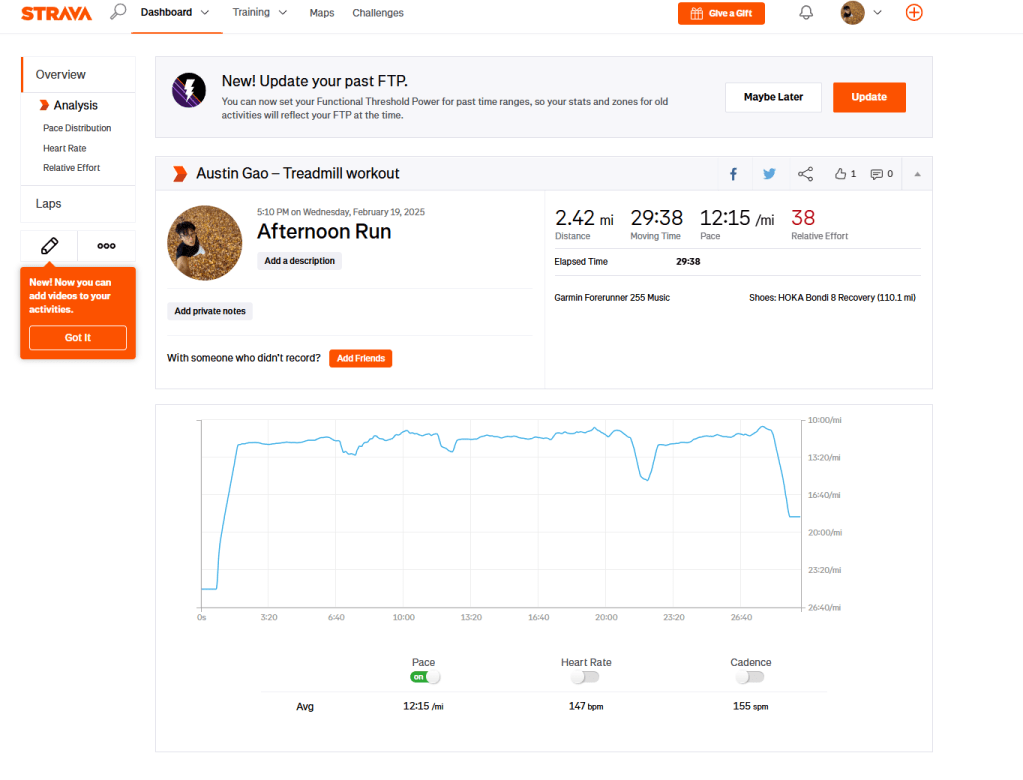
As a current premium Strava user, one way I’ve actively seen target custom audiences is by retargeting their current users. In order to get users’ foot in the door, Strava offers a free premium subscription trial for 30 days. The exact same sequence happened to me. I used Strava for free for the first week, tried the premium features for 30 days, and at the end, felt that I was missing the premium features which resulted in them increasing conversions and hitting their mark. Other custom audiences that Strava could look into are lapsed users, (folks who have ended their premium subscription) as well as people who use wearable tracking technology (since it makes it easy to link the device’s stats directly into Strava). Since Strava’s current audience is so strong, a Lookalike audience for Strava would most likely include users who actively use the app (about 3-5 times a week), premium subscribers who pay monthly for upgraded perks, people who join in and are active on their social platform as well as join athlete challenges. For an app like Strava, characteristics such as loyalty and engagement are extremely important to have in a long-term user.
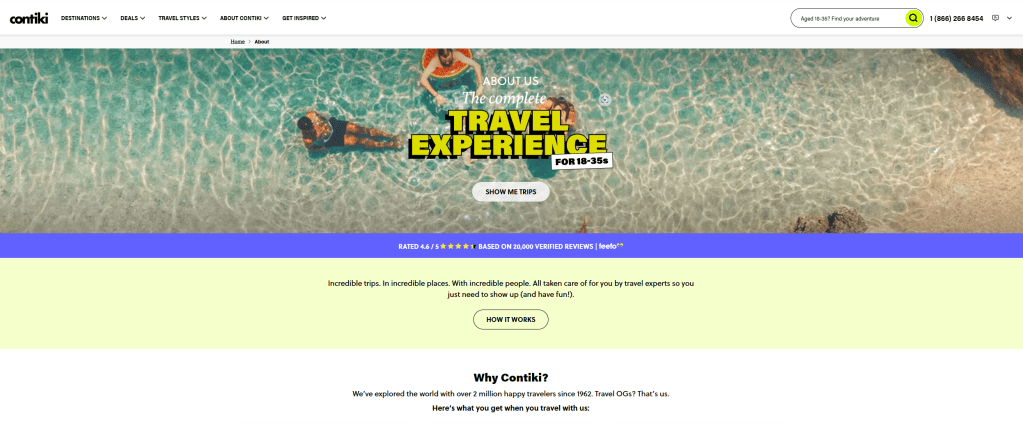
It’s fascinating to see how companies are able to segment and understand their audience so well that they can target in detail, with the use of creating a lookalike audience, segmenting their audience, and even setting up custom audiences can lead to a successful campaign. One clear example that I learned this week is from the company Contiki, a travel company brand that offers the “complete” travel experience for younger travelers from the ages of (18-35). For their recent Make Every Moment Count campaign, Contiki utilized Spotify Ads to target young adventure-seekers looking to book bucket-list trips. The result was astounding with the advertisement generating a 267% surge in website clicks and outperforming other advertising channels by 32%! It’s clear that the more companies segment their audience, the more likely it is to achieve paid social media success. Companies such as Strava and Contiki have a deep understanding of their audience. Which is why their ads are usually reaching the correct audience, improving engagement and conversions, as well as making the ad more efficient in general.
 Grow with Gao
Leave a comment