

📷: My cousins Anisa, Jayden, and I
As I turn 26 in a little over a week, I reflect on my childhood and how I grew up compared to the young nieces and nephews at my family parties these days. Some of them are running around playing, similar to how I used to as a kid, others are cooking fake burgers at a plastic playset, and then there is this category that always seems to show up at parties. We call them “iPad kids”. Kids that are constantly glued to their silicone encased screen which slightly has some unknown gross stick to it. The video they are watching is usually a complication of CocoMelon on repeat.
Author Johann Hari begins his book “Stolen Focus” with a similar theme. After witnessing the tight grasp that a phone had on his godson, Johann realized something was wrong. Thus began his journey of an extreme digital detox.
Obviously, the way the youngest generation is growing up, Generation Alpha, is a lot different from how I or Johann grew up. That part isn’t really too shocking to me, each generation is significantly different from the next, right? However, in the age where the first iPhone came out when I was 9 compared to now where your smart device can almost be compared to as a third limb. It’s crucial, now more than ever, that we understand the effects that these devices have on our youth.
Here are some facts about Gen Alpha:
- They will be accustomed to using technology younger than any other generation
- They will have all grown up in the Streaming Era
- They are already making their mark online
This upcoming generation is facing new struggles that we have never seen before. The power and influence the internet has on us is scary. The speed at which we consume media is faster than ever, which I recently realized that it might not the best for us. Adjusting the playback speed to 1.25x or 2x may feel great at first, but the rate in which our brains can physically process information is inherently the same as a few decades ago. Chapter 1 of “Stolen Focus” discusses a researcher named Sune Lehmann who studied the max speed and capacity of information in which we can handle, and the extra influx of content has dramatic consequences. Mental health struggles are on the rise and it’s become harder and harder to form a deep social connection.
Although this all might seem scary, the previous generation, Gen Z (me) is here to save the day! I might not be the ultimate expert in this topic, I’ll share with you a few key pieces that I’ve found helpful along my journey that you might find insightful:
- Remember to find balance and set boundaries where you need to
- I love video games. I’ve played video games all my life, it’s a huge part of who I am. But I now understand the importance of not overdoing things after looking into Ben Grosser’s Stuck in the Scroll experiment, where he created a tool that provides a real-time look into his scrolling habits. His hope being that this heightened public monitoring will help him break free of his mindless scrolling habit. One of the ways I found to combat my addition this is to try new hobbies or passions that you find interesting and live a life full of these interests. For example: I love playing video games, but I also recently picked up running, basketball, listening to audio books, etc. ㅤㅤㅤㅤㅤㅤㅤㅤㅤㅤㅤㅤㅤㅤㅤㅤㅤㅤㅤㅤㅤㅤㅤㅤㅤ
- Be conscious of what you share online and evaluate sources
- Having a presence online has its pluses and disadvantages. There will be people, companies, influencers all trying to grab your attention to accomplish their objective. Don’t listen to them blindly, but remember to do your own research, trust your own judgment and form your own opinions. Also, I’m sure you’ve heard this before but anything you post online…stays online forever. So, it’s always important to ask yourself. Is this really worth posting?ㅤㅤㅤㅤㅤㅤㅤㅤㅤㅤㅤㅤㅤㅤㅤㅤㅤ
- Be kind online as you would in the real world
- Since we are becoming more and more intertwined with the digital world. It’s important for us to remember who we are. We are human. If someone needs a hand, we lend them a hand. It doesn’t cost us anything to be kind, but the reward is invaluable. Just because you can be anonymous online doesn’t mean you should stoop down to a level that you wouldn’t go to in-person.
There is no question that the future ahead is going to involve screens more than ever before. But that doesn’t mean that we are headed for impending doom. Actually it’s the contrary, I believe we’re more prepped than ever to combat this crisis.
To cousin Jayden: You might skim through this post, and not get most of it yet and that is completely fine. However, I challenge you to test your focus and persevere through the NYTimes Painting Experiment like I did this week. Attempt to sharpen your focus and feel the effects of slowing down and solely focusing on one activity.
All I hope is that you don’t forget to look up once in a while and appreciate what can’t be on the screen.
💛- Austin
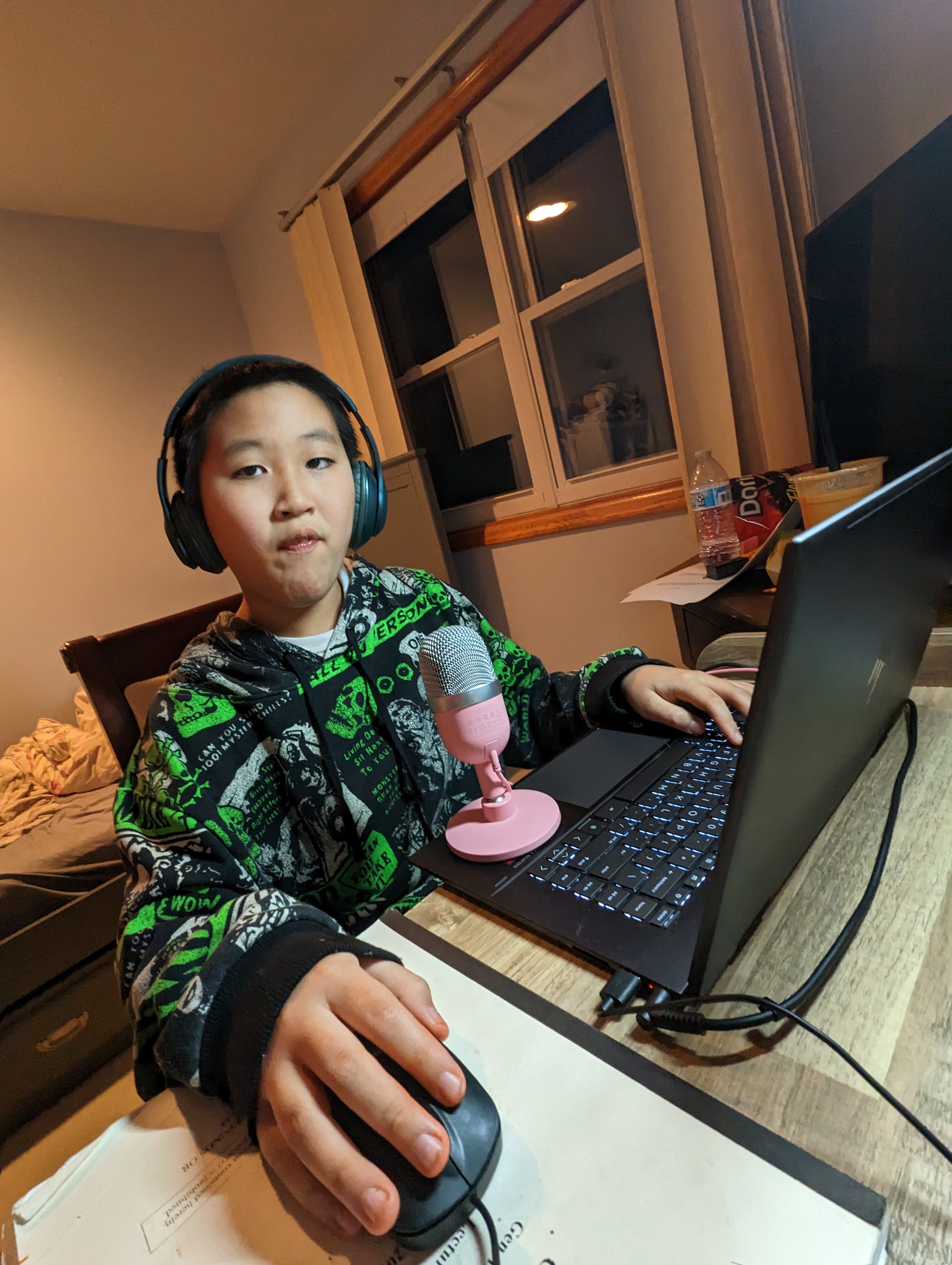

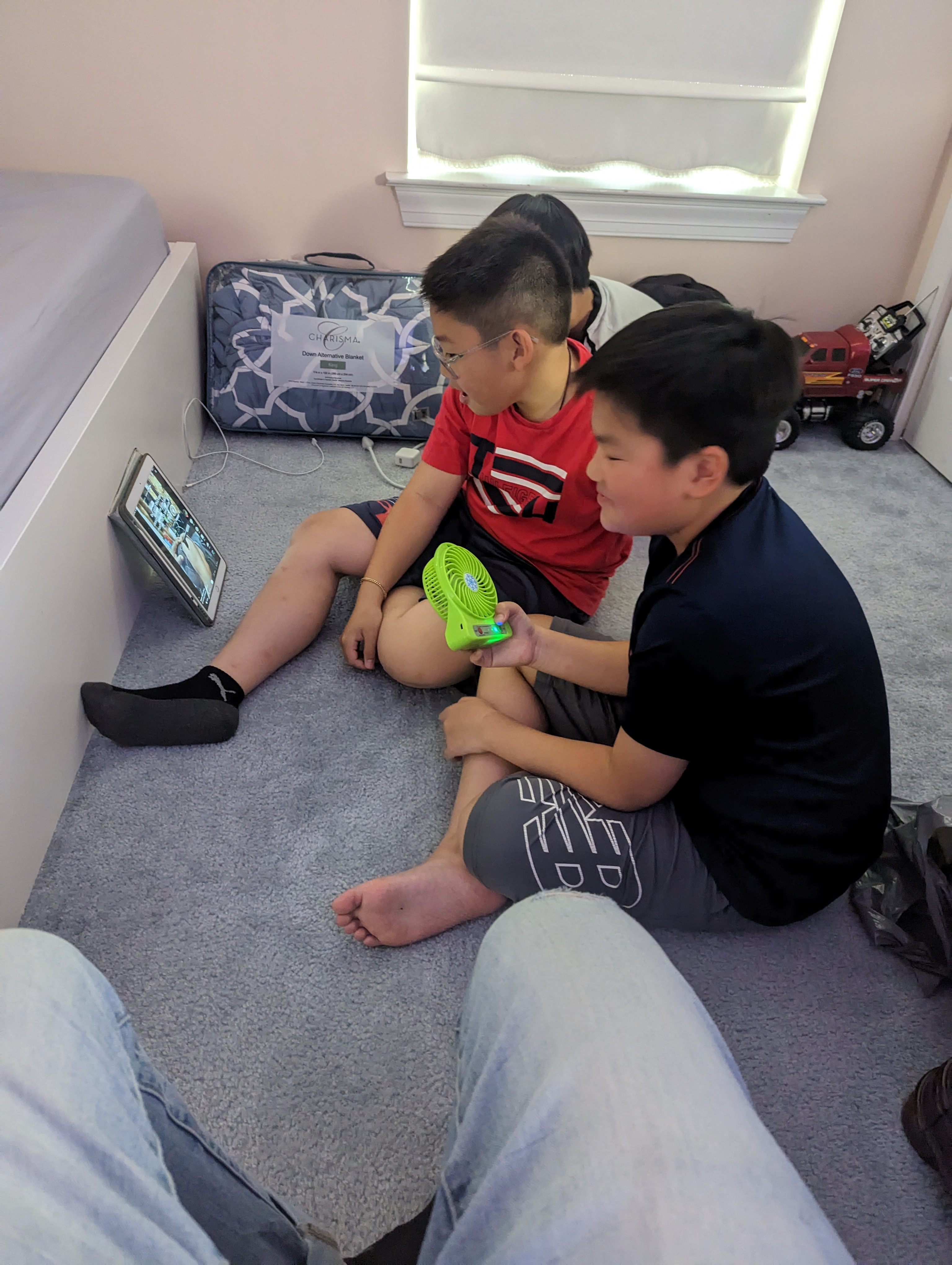
📷: Screens are everywhere!
 Grow with Gao
Leave a comment